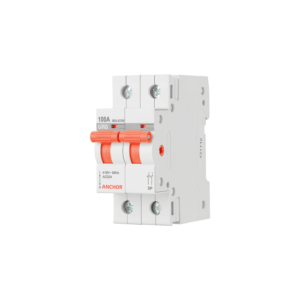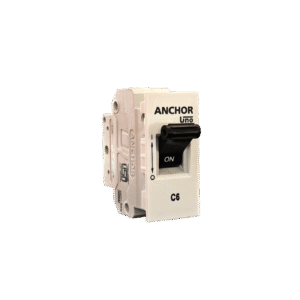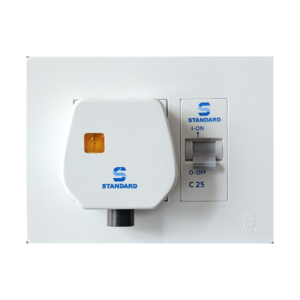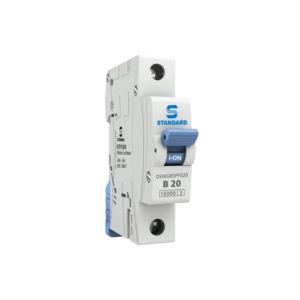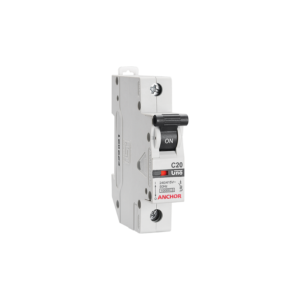
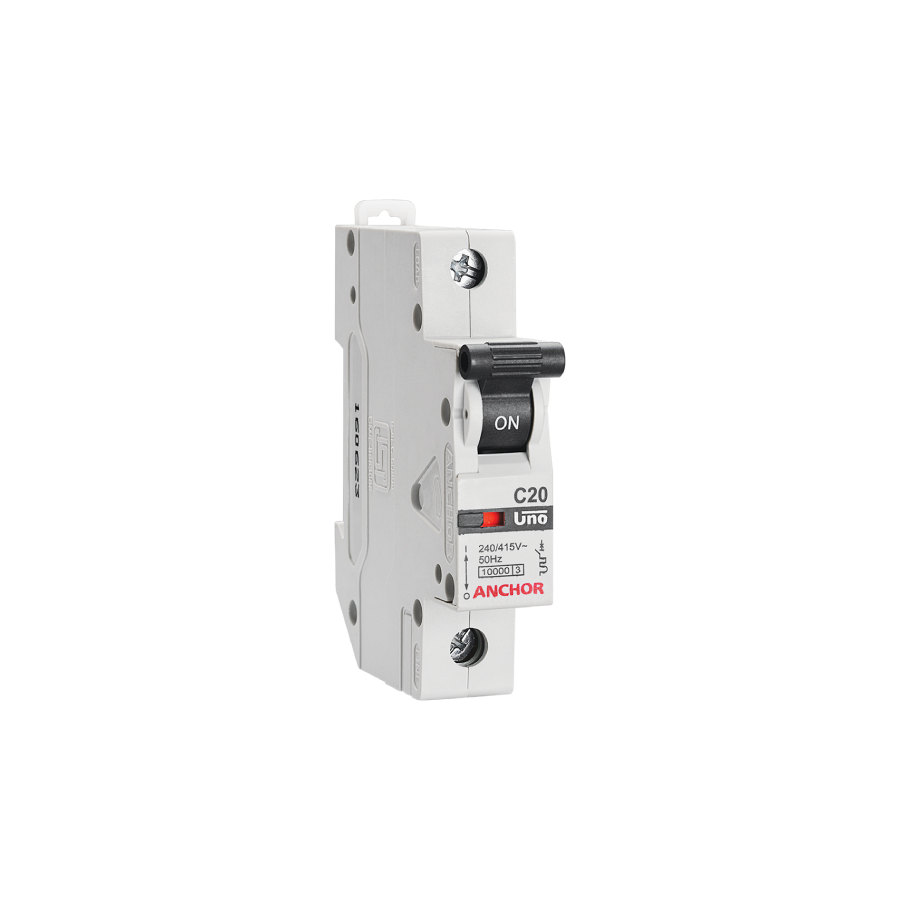
An MCB (Miniature Circuit Breaker) is an electromechanical device designed to protect an electrical circuit from overcurrent, which may result from overload or short circuit. It automatically switches off the electrical circuit during abnormal conditions, thus preventing potential hazards such as fire, equipment damage, or electric shock.
How MCB Works
An MCB operates using two main mechanisms:
-
Thermal Operation (Overload Protection):
A bimetallic strip inside the MCB bends when it gets heated by excessive current over time. This mechanical bending trips the breaker, disconnecting the circuit. -
Magnetic Operation (Short Circuit Protection):
During a short circuit, a sudden surge of high current activates an electromagnet inside the MCB, which quickly pulls the trip mechanism and breaks the circuit instantly.
Key Features of MCB
-
Automatic tripping in case of overload or fault.
-
Manual reset, unlike fuses which need replacement after a fault.
-
Compact and modular design, suitable for residential, commercial, and industrial installations.
-
Rated current capacity usually ranges from 0.5 A to 125 A.
-
Trip curves (B, C, D types) to suit different applications.
Types of MCB Based on Trip Curve
-
Type B MCB: Trips between 3 to 5 times the rated current. Ideal for residential or light commercial use.
-
Type C MCB: Trips between 5 to 10 times the rated current. Suitable for commercial and industrial loads with moderate inrush current (like motors, fluorescent lighting).
-
Type D MCB: Trips between 10 to 20 times the rated current. Used for heavy-duty industrial applications with high inrush current (like transformers, X-ray machines).
Advantages of MCB
-
Faster response than traditional fuses.
-
Easy to reset without replacement.
-
Provides more accurate protection.
-
Long-lasting and reliable performance.
-
Enhances overall electrical safety.
Applications of MCB
-
Residential buildings: Protects home wiring and appliances.
-
Commercial complexes: Safeguards lighting, office equipment, and distribution boards.
-
Industrial setups: Used for protection of motors, machinery, and control panels.